
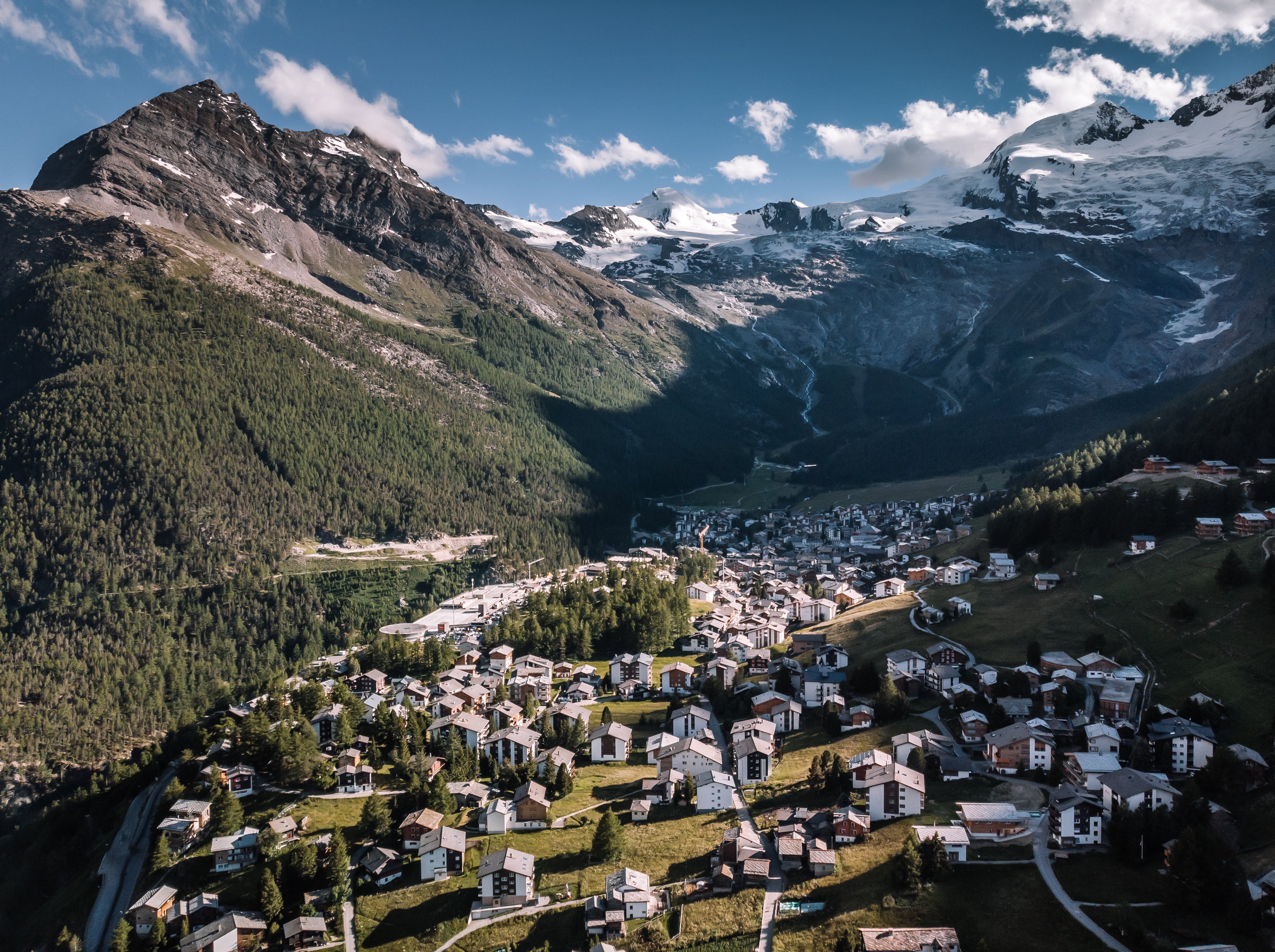
The barns in the Saas Valley
Anyone walking through the Saas Valley will come across them time and again: the sun-baked wooden buildings known as 'Stadel' in German, which have been a part of the village landscape for generations. These barns and storehouses are much more than just old buildings. They bear witness to a time when life in the mountain villages was closely linked to agriculture, food storage, and self-sufficiency. They continue to shape the cultural landscape of Valais to this day, serving as a reminder of bygone building methods, working practices and ways of life.
What are the so-called ‘Stadel’?
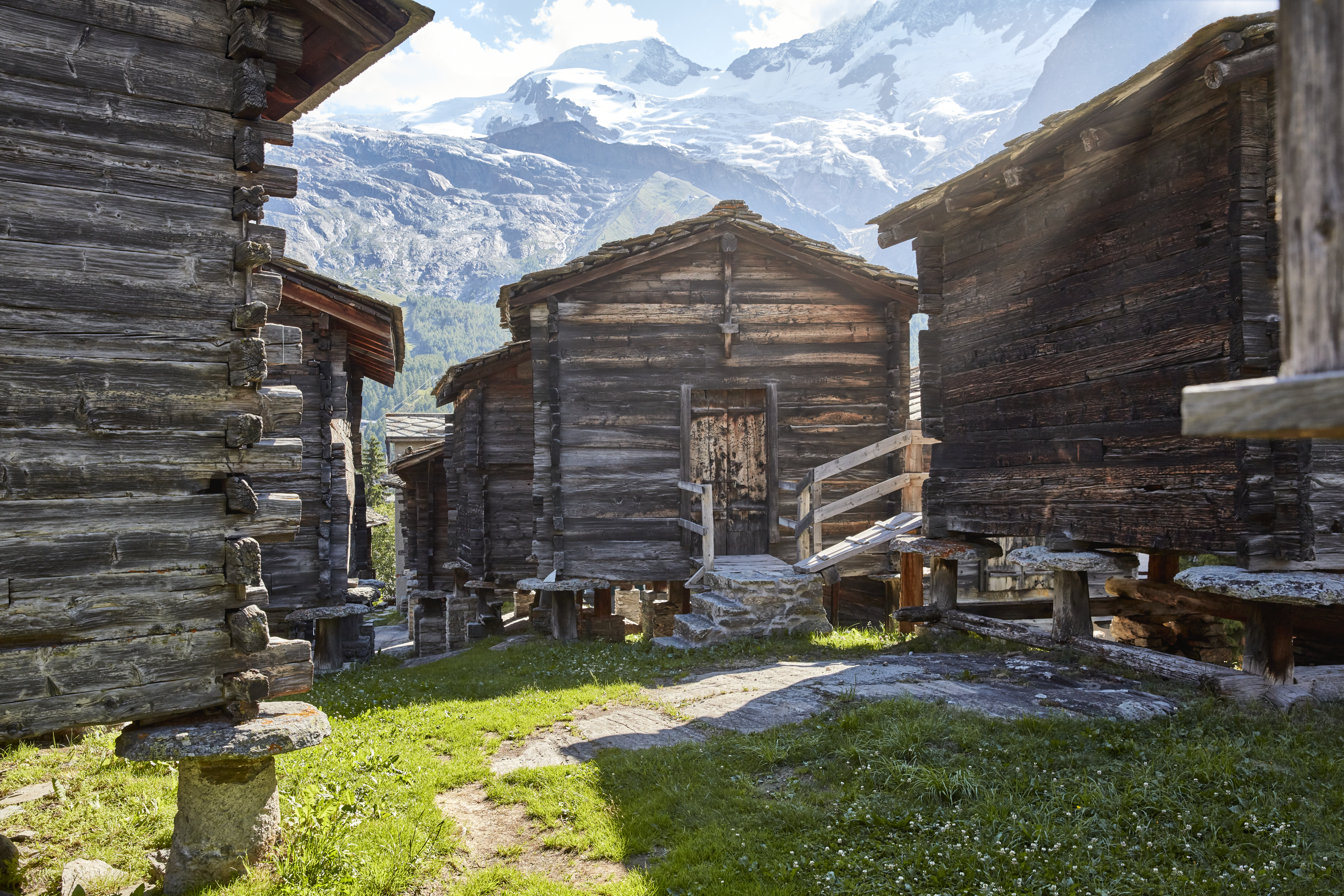
Stadel were traditional farm buildings. Among other things, they were used for storing and drying crops and were closely linked to the farming practices of the past in the Valais. Rye was particularly important in the mountain villages because it was well suited to the climate and soil. Stadel, granaries, mills and village ovens were therefore part of a comprehensive supply system that shaped life in the valley for a long time.
Typical characteristics
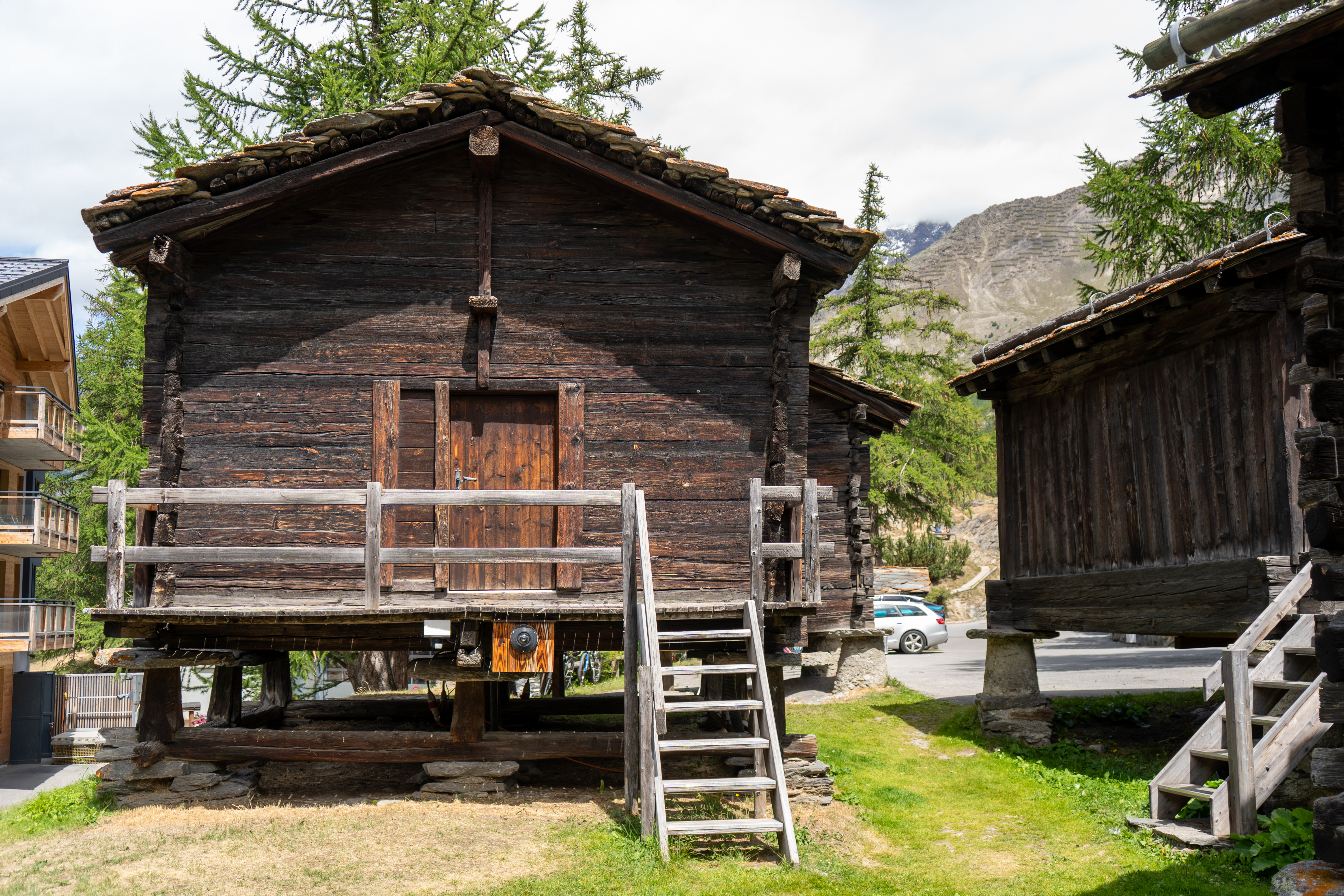
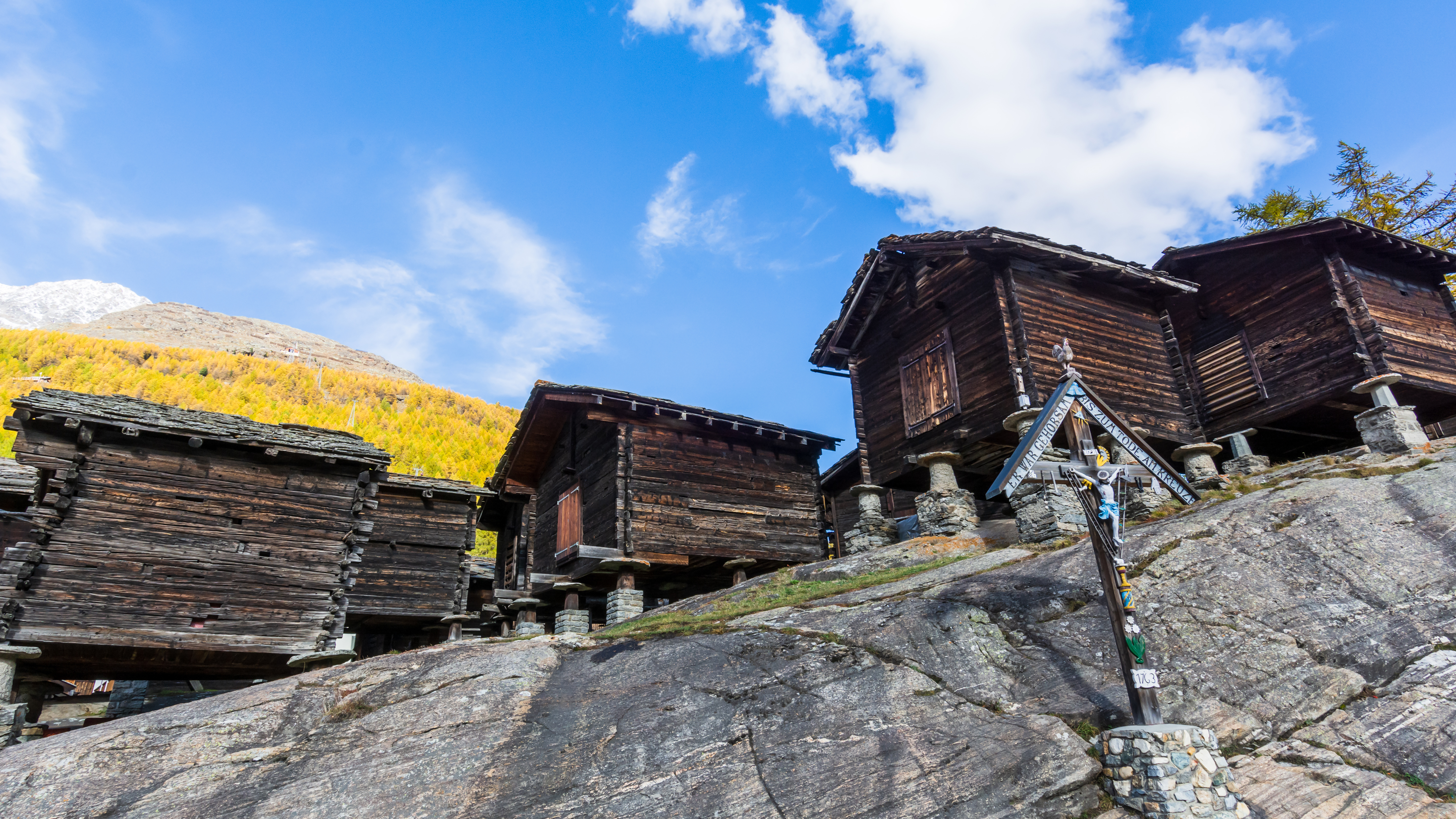
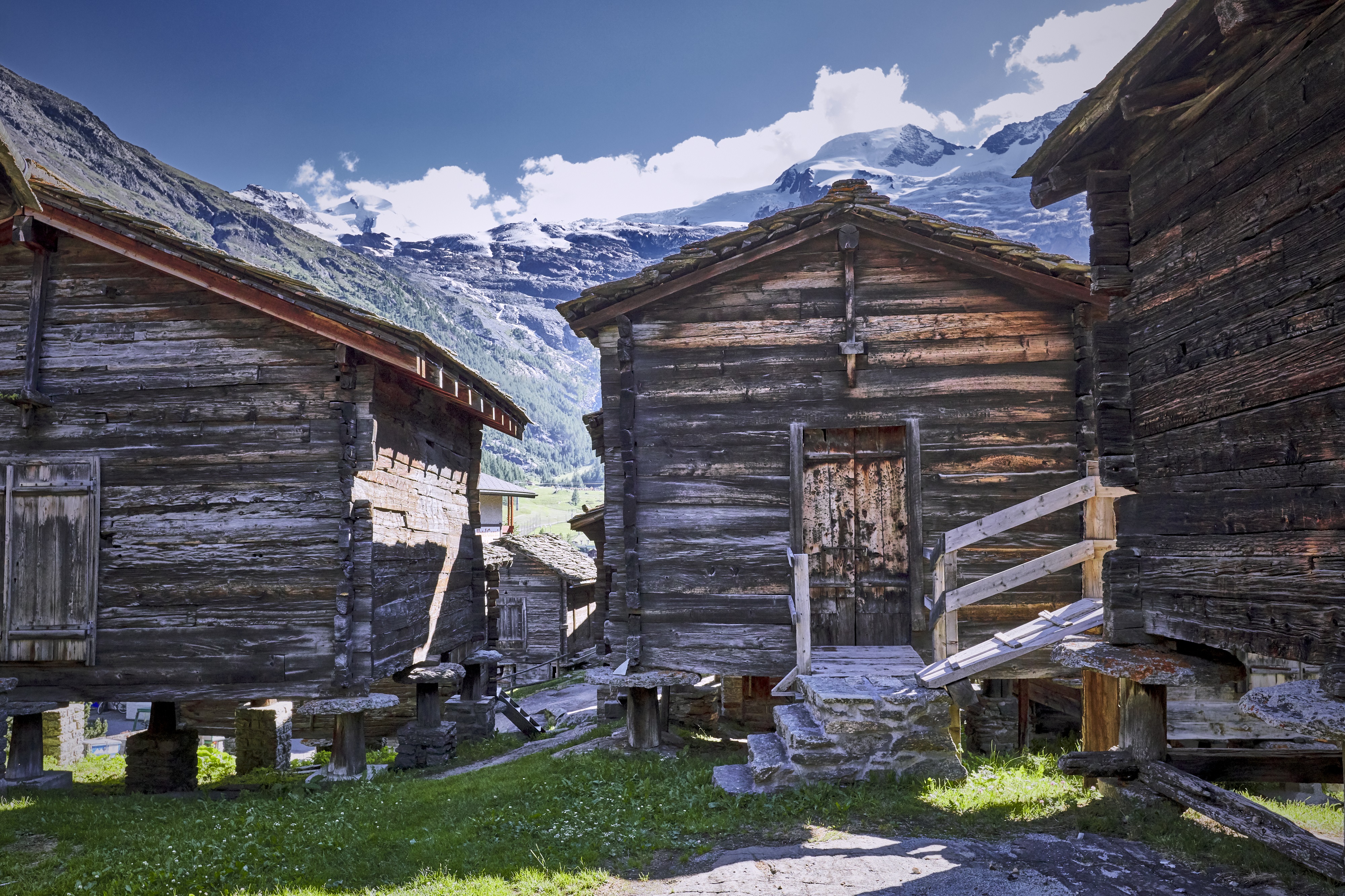
A characteristic feature of many Valais barns and storehouses is their elevated construction. The wooden structure rests on supports, allowing air to circulate between them. This helped keep the stored goods drier. Another typical feature is the stone ‘mouse plates’ that rested on the supports, designed to prevent mice or other pests from entering the storage area. It is precisely this construction method that makes Valais barns and storehouses so distinctive to this day.
Discover with respect
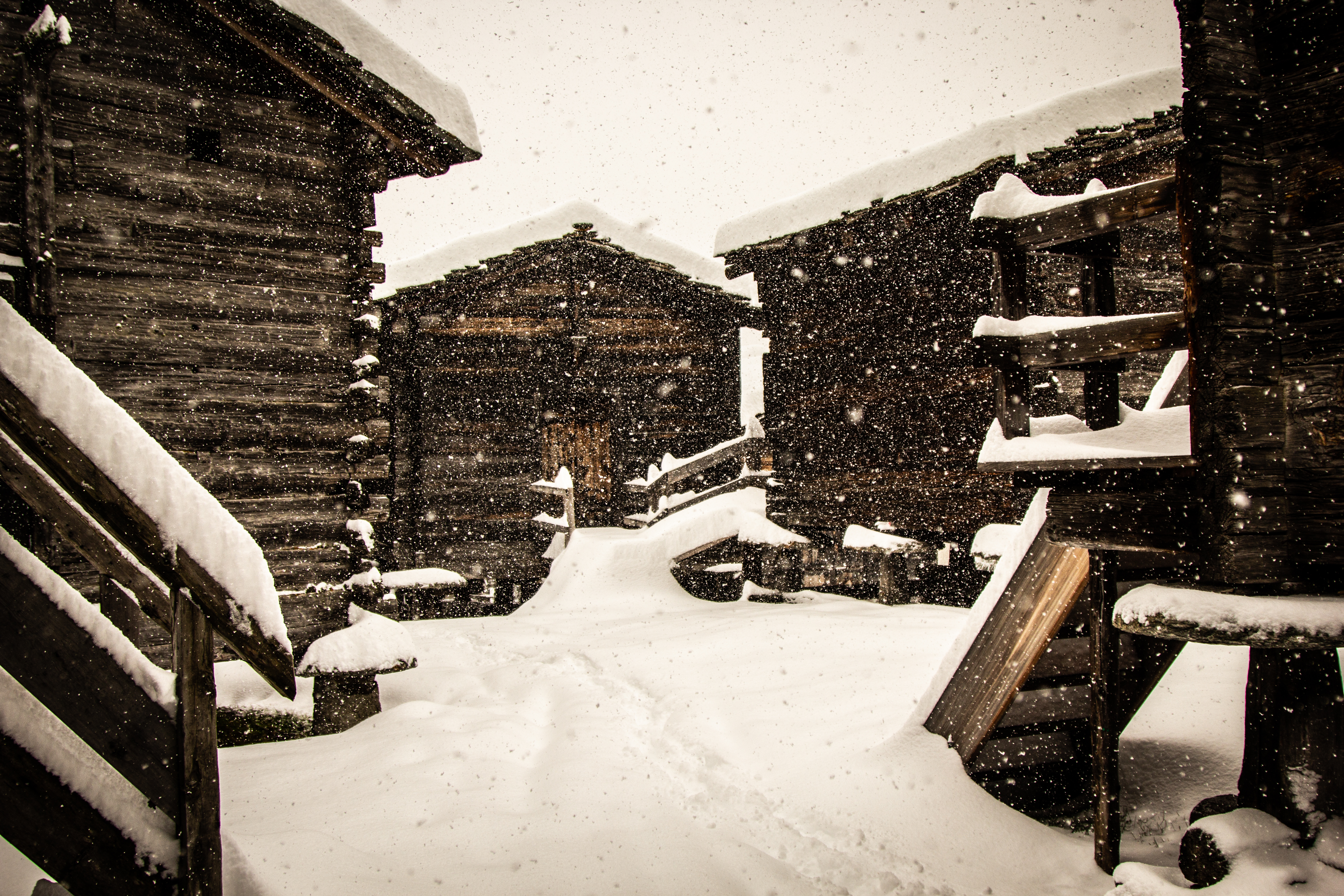
Barns are valuable reminders of the region’s history. Many are located in historic parts of villages or in the immediate vicinity of private buildings and agricultural areas. It is therefore worth exploring these places with care and respect. In this way, this cultural heritage will be preserved for future generations.
A piece of Valais’ cultural heritage
In Valais, barns and granaries have not only architectural but also cultural value. The cantonal structure plan explicitly designates traditional structures such as paths, barns, granaries and stables as part of the built heritage. At the same time, it states that these elements are important for identity, the landscape and tourist appeal, and should therefore be preserved and enhanced.
Why they continue to fascinate us to this day
Stadel barns tell a story of adaptation to the alpine environment, of craftsmanship, and of a daily life that was strongly shaped by the seasons and self-sufficiency. Precisely because many of these buildings are simple, functional and constructed from local materials, they retain their authentic character to this day. They bring together architectural heritage, landscape and history in a particularly vivid way.
Saas Museum
Those who would like to learn even more about the history and everyday culture of the Saastal will find further fascinating insights into life in the valley at the Saaser Museum. A visit is an ideal complement to discovering the stadels and granaries and makes this Valais cultural heritage even more tangible.